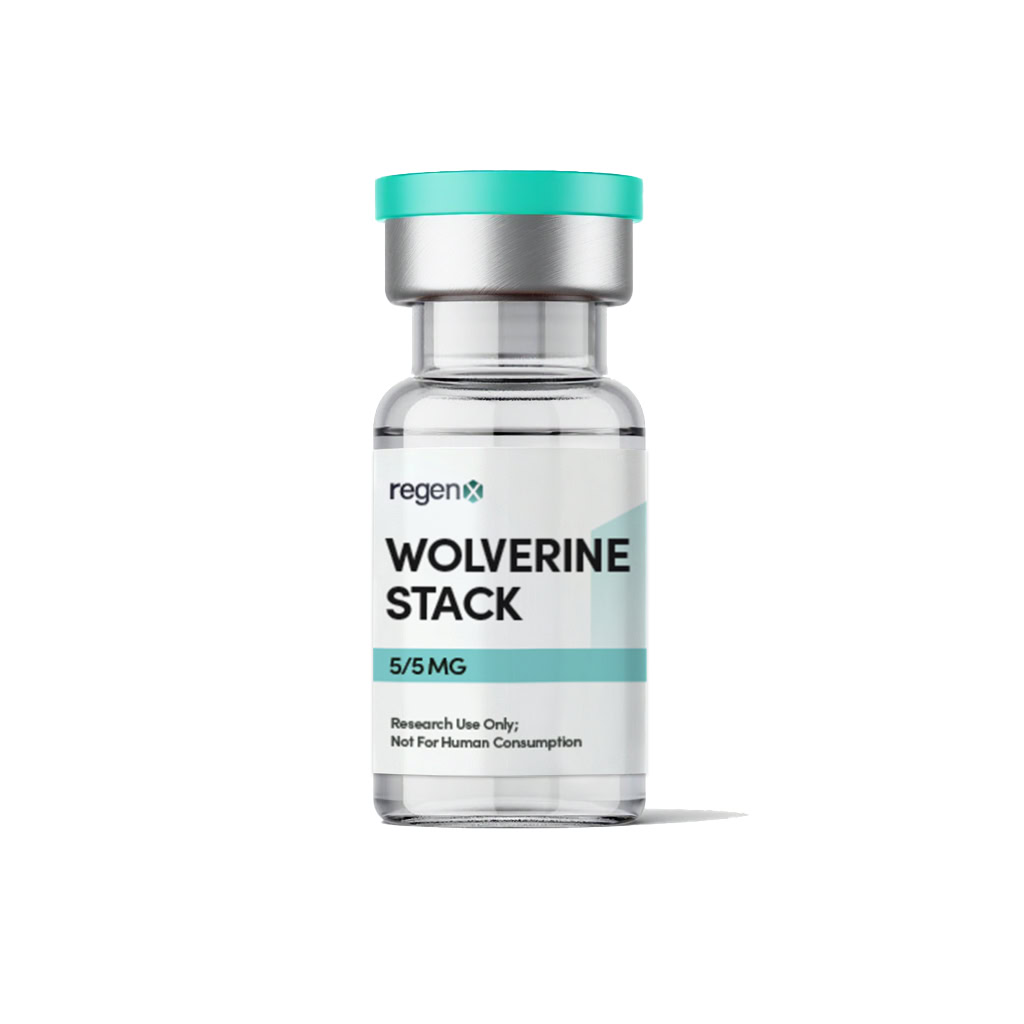
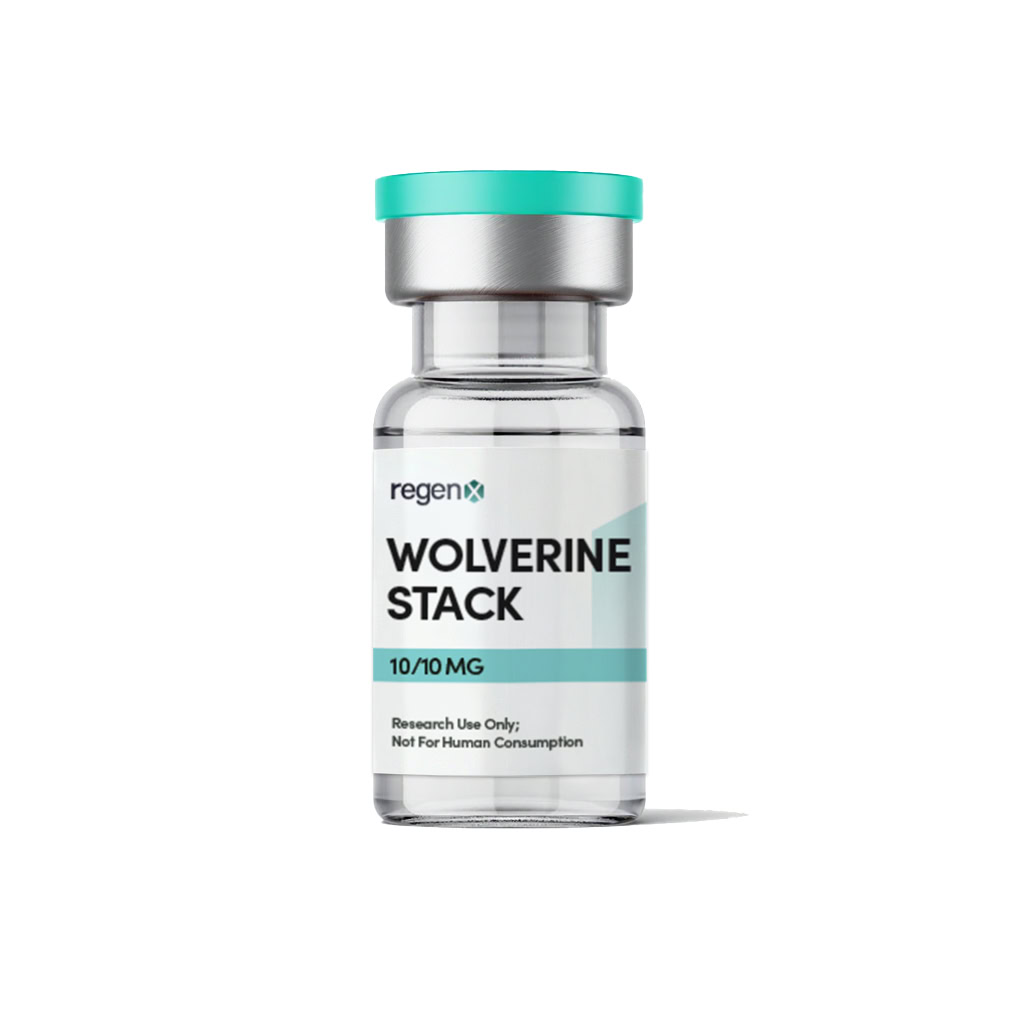
Research Overview
BPC-157 (Body Protection Compound-157) is a synthetic pentadecapeptide derived from a partial sequence of human gastric juice proteins. In experimental models, BPC-157 has been studied for its interaction with nitric oxide pathways, cytoprotection mechanisms, and angiogenic signaling involved in tissue regeneration and wound repair processes [1][2]. Research literature highlights its role in modulating fibroblast activity, endothelial cell migration, and inflammatory signaling in tendon, ligament, and gastrointestinal models. Due to these properties, BPC-157 is frequently utilized in in vitro and animal research focused on injury response and cellular recovery mechanisms.
TB-500 Research Context
TB-500 is a synthetic peptide fragment based on thymosin beta-4, a naturally occurring actin-binding protein involved in cytoskeletal organization. In research settings, TB-500 has been examined for its effects on cell migration, angiogenesis, and tissue remodeling across muscle, cardiac, and connective tissue models [3][4]. Studies suggest TB-500 plays a role in regulating actin polymerization, which is essential for cellular movement and repair signaling. When combined with BPC-157 in experimental designs, researchers often investigate complementary pathways related to inflammation modulation, vascular growth, and coordinated tissue regeneration.
Referenced Citations
- Sikiric P. et al. Stable gastric pentadecapeptide BPC-157 and its role in tissue healing. Journal of Physiology and Pharmacology.
https://pubmed.ncbi.nlm.nih.gov/19834377/
- Sikiric P. et al. BPC-157 promotes angiogenesis and tendon fibroblast outgrowth. Journal of Orthopaedic Research.
https://pubmed.ncbi.nlm.nih.gov/22473876/
- Goldstein A.L., Hannappel E. Thymosin beta-4: Actin regulation and tissue repair. Annals of the New York Academy of Sciences.
https://pubmed.ncbi.nlm.nih.gov/8610548/
- Sosne G. et al. Thymosin beta-4 promotes corneal and dermal wound healing. FASEB Journal.
https://pubmed.ncbi.nlm.nih.gov/15899874/