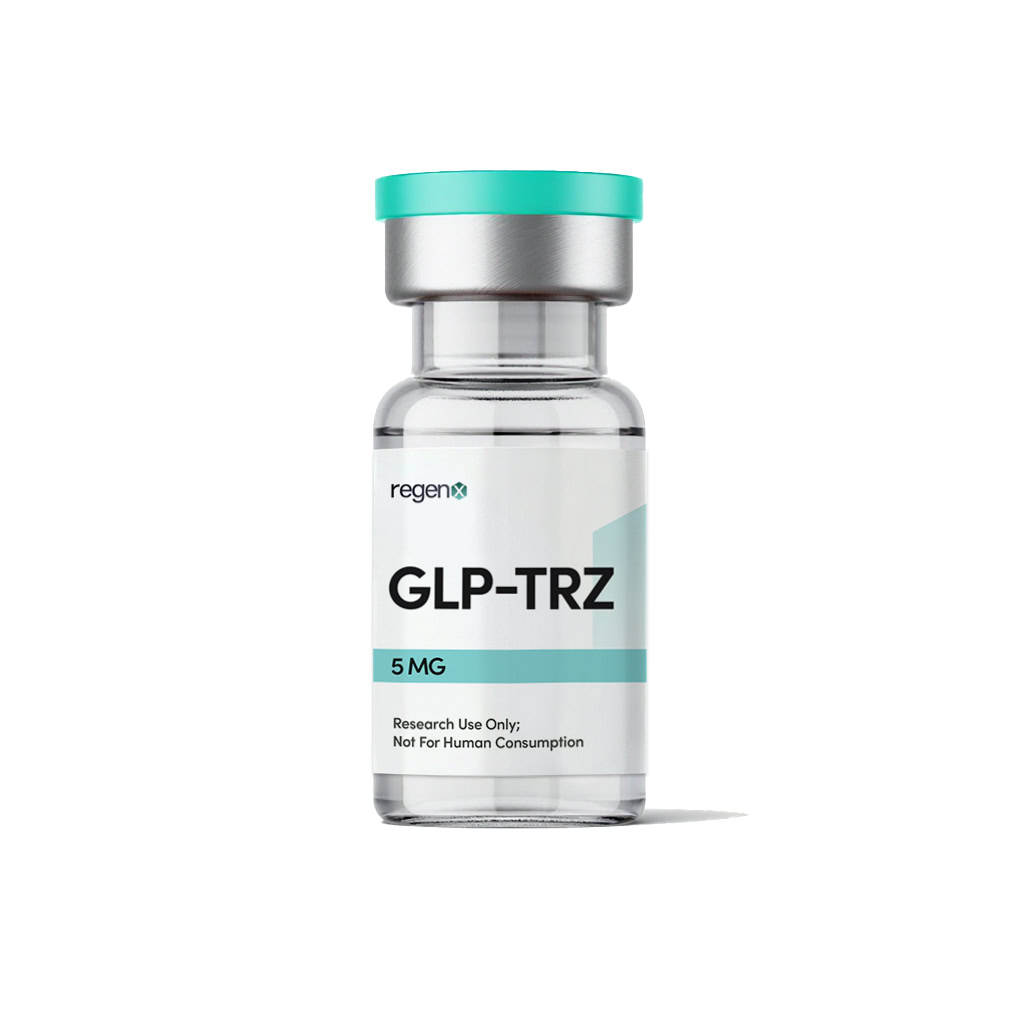
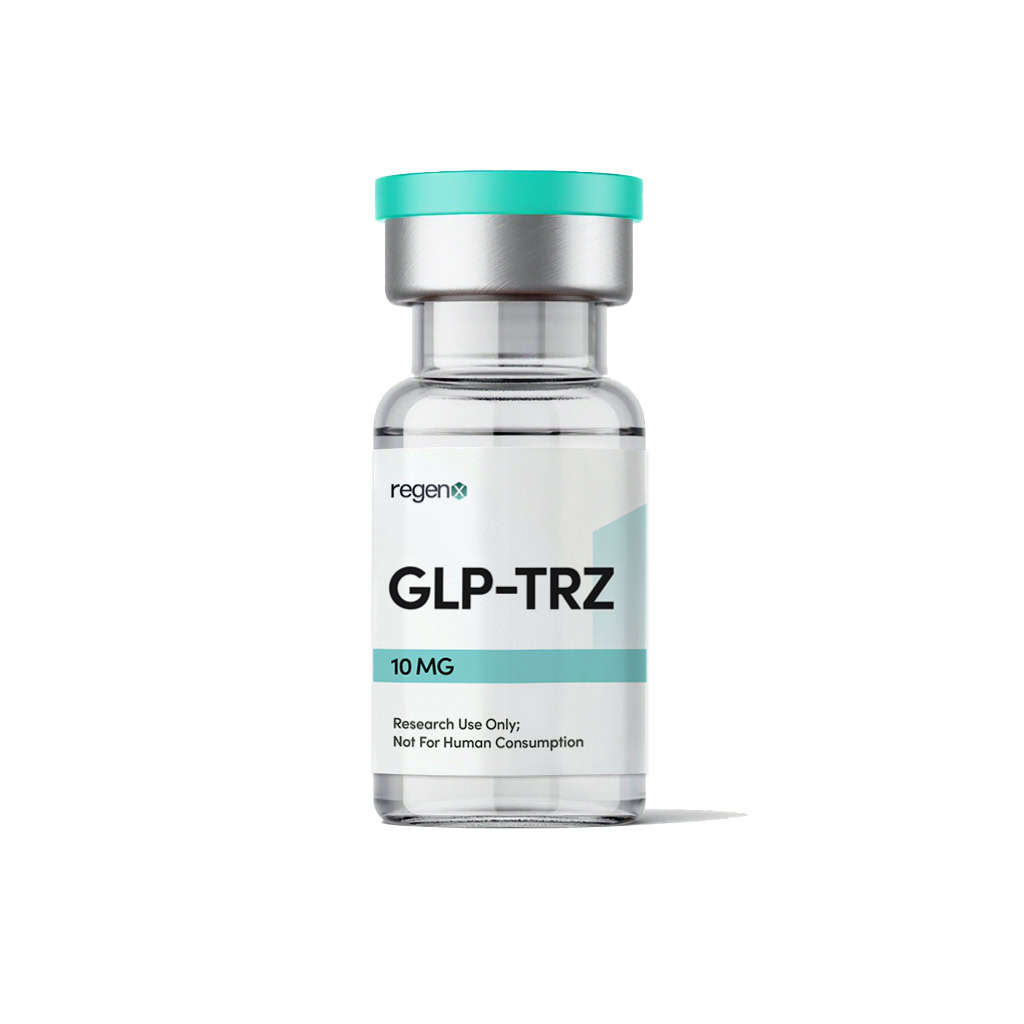
Research Overview
It is structurally designed to combine GIP receptor agonism with GLP-1 receptor activity, allowing researchers to study synergistic incretin signaling within controlled experimental models [1]. Preclinical and molecular studies have focused on its interaction with cAMP signaling cascades, pancreatic islet cell receptor expression, and downstream metabolic regulatory pathways [2].
Applications in Scientific Research
Additional studies have examined dual GIP/GLP-1 agonists in appetite-regulating neural pathways, lipid metabolism models, and cardiovascular signaling research [3][4]. These findings have positioned it as a key reference compound for researchers investigating incretin biology, multi-receptor peptide engineering, and complex metabolic signaling systems. This compound is intended solely for research and analytical purposes and is not approved for human or veterinary use.
Referenced Citations
- Coskun T. et al. “LY3298176, a novel dual GIP and GLP-1 receptor agonist.” Science Translational Medicine.
https://pubmed.ncbi.nlm.nih.gov/30923195/
- Campbell J.E., Drucker D.J. “Pharmacology, physiology, and mechanisms of incretin hormone action.” Cell Metabolism.
https://pubmed.ncbi.nlm.nih.gov/24836535/
- Finan B. et al. “Unimolecular dual incretins maximize metabolic benefits.” Nature Medicine.
https://pubmed.ncbi.nlm.nih.gov/27018757/
- Holst J.J., Rosenkilde M.M. “GIP as a therapeutic target.” Trends in Endocrinology & Metabolism.
https://pubmed.ncbi.nlm.nih.gov/30291044/